
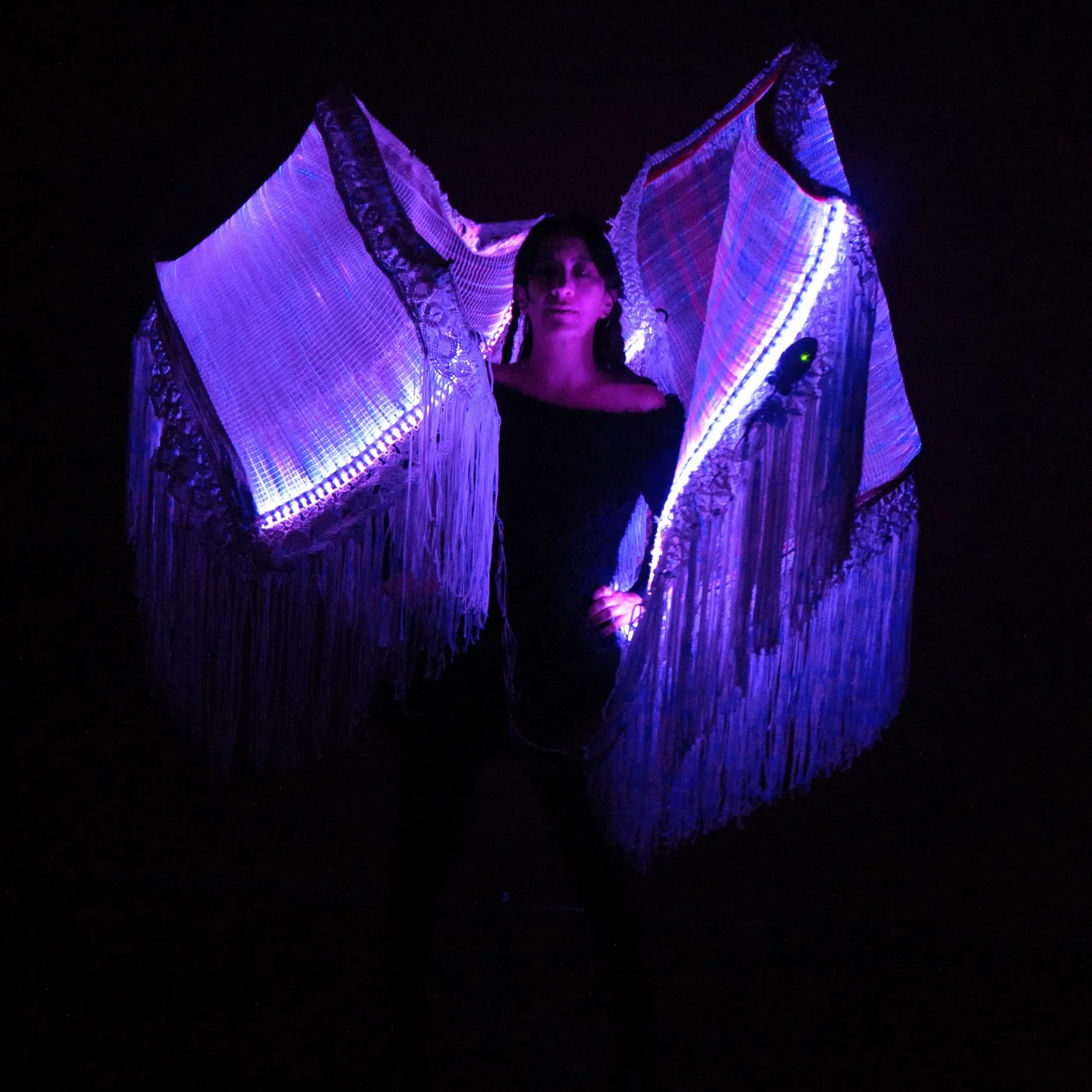
Aruma | Sandra De Berduccy
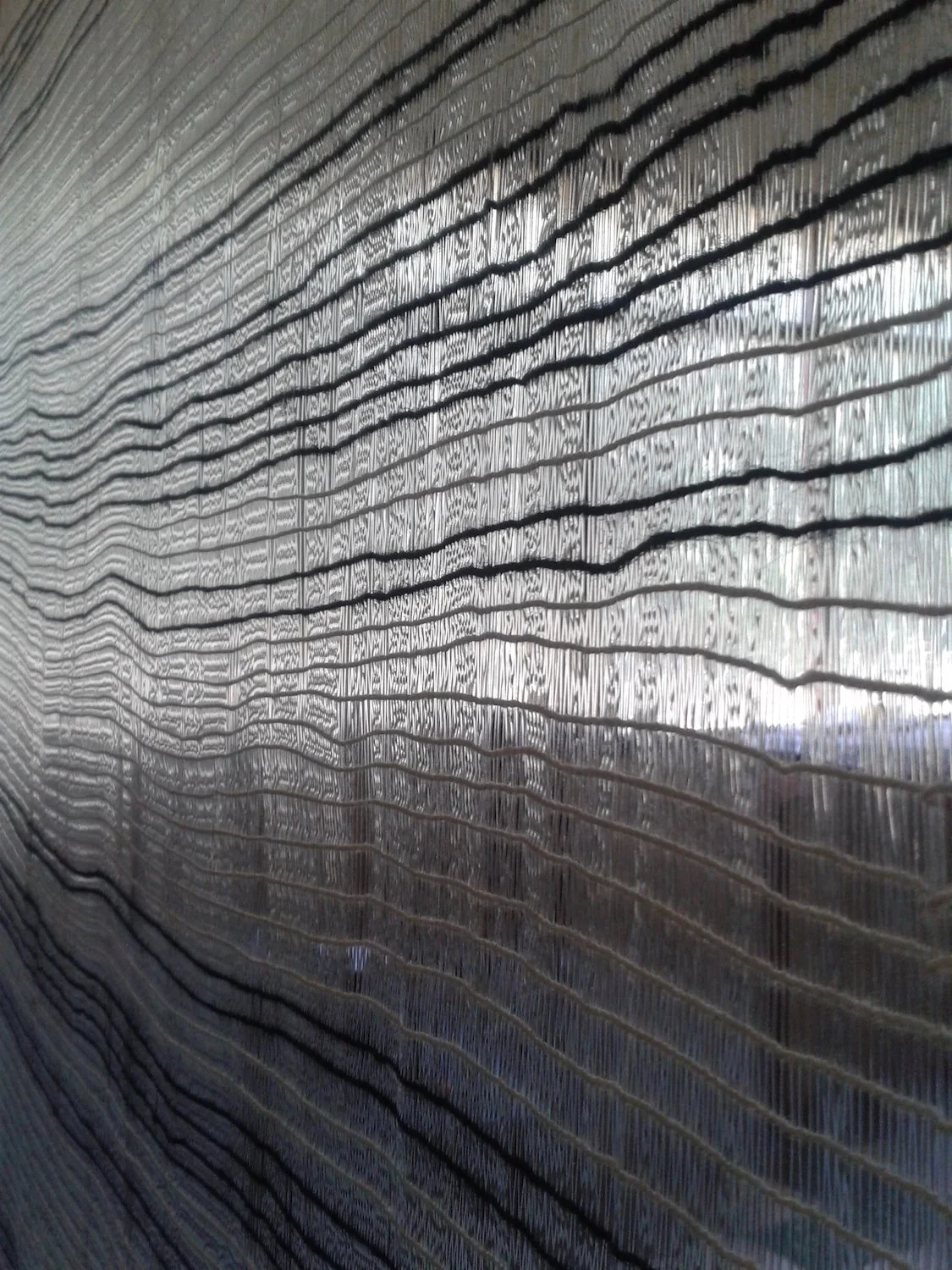
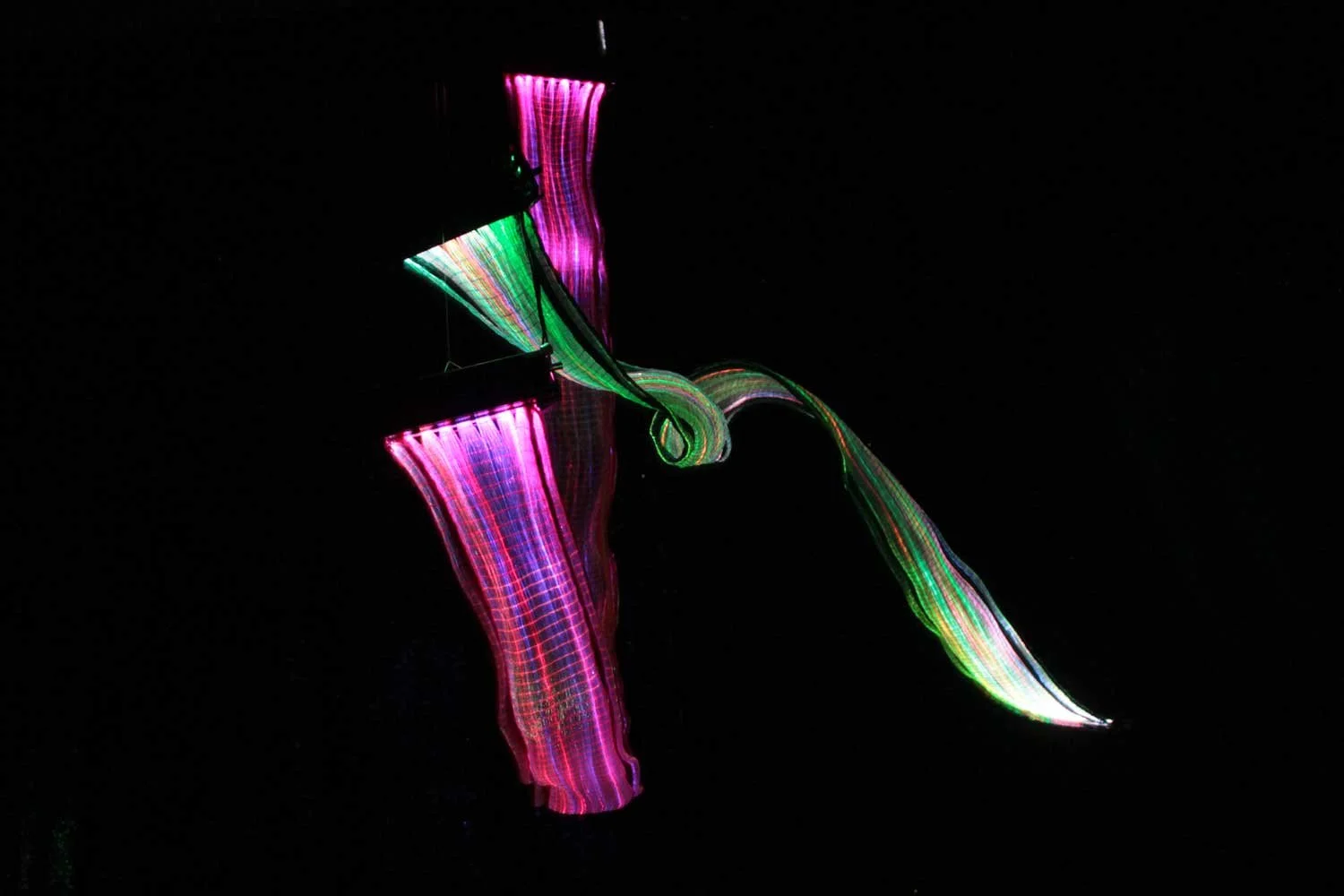
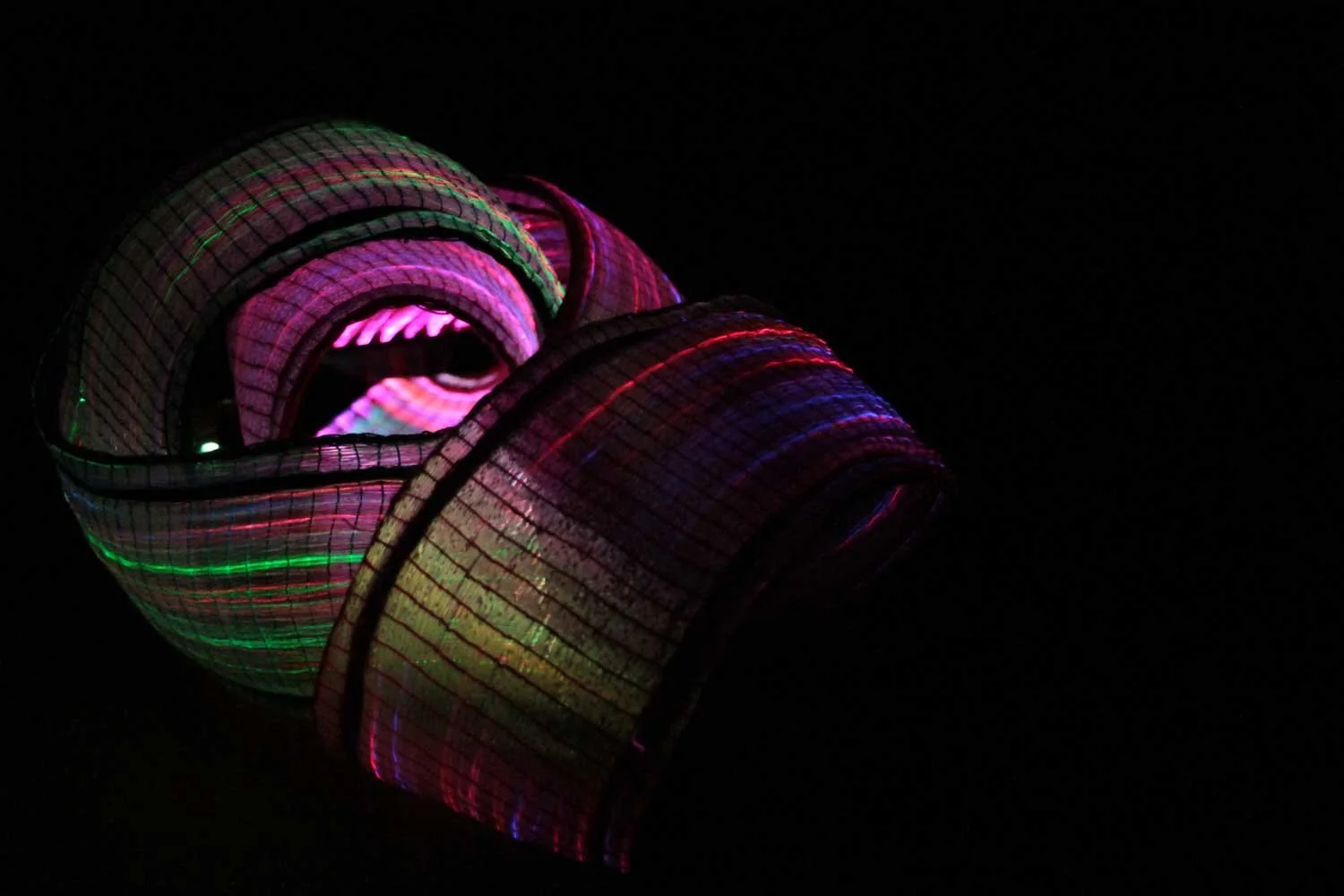
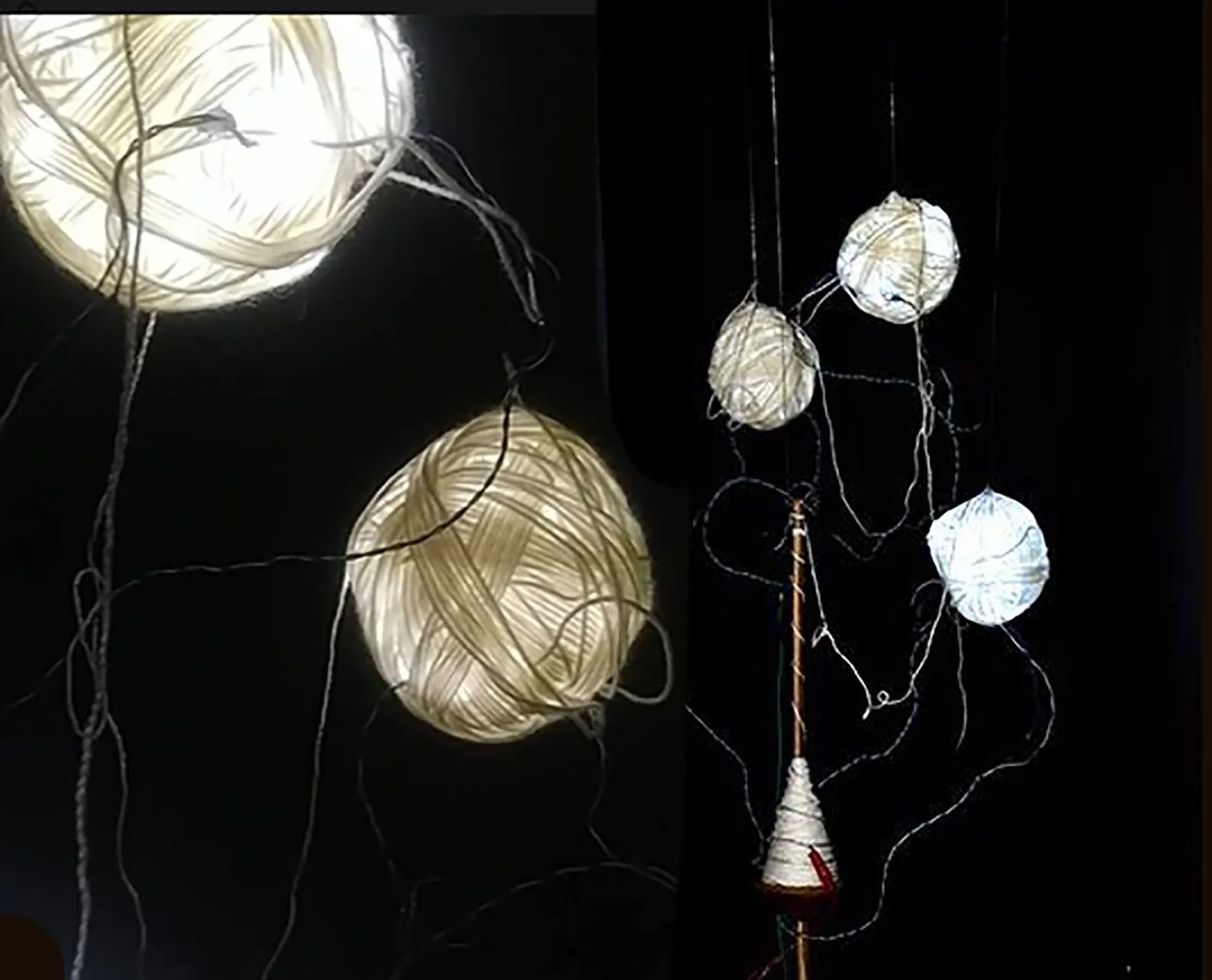
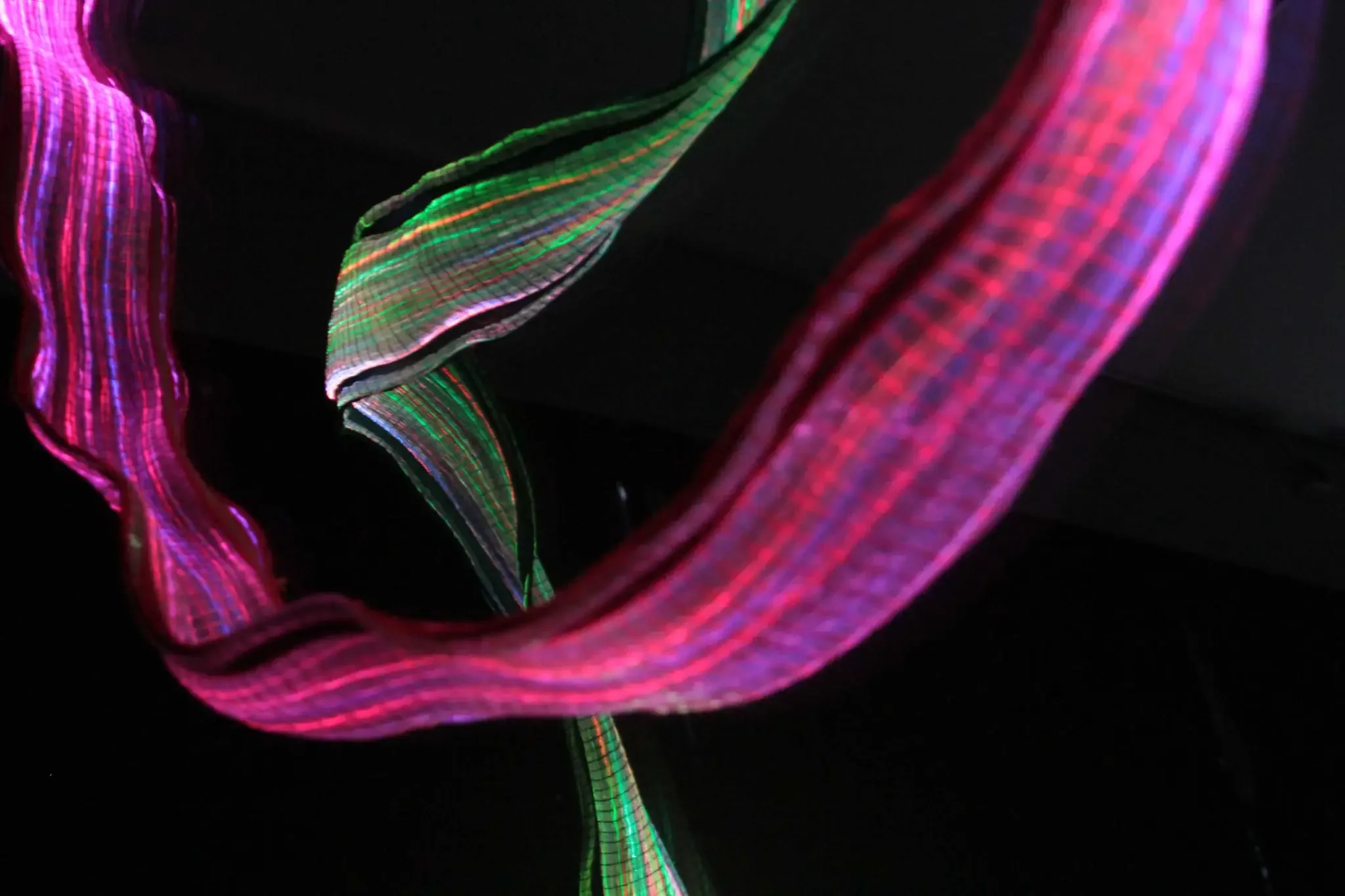
Sandra has been researching Andean textile techniques for more than fifteen years, not only from theory and practice – coming to master a large number of traditional weaving forms and their adjacent processes, spinning and dyeing techniques , but also using various contemporary artistic media and strategies such as video, performance, programming and electronics in general- through which he establishes aesthetic, material and conceptual dialogues that have allowed her to approach, observe and analyze in depth the Andean loom as a highly complex technological and social assembly in which elements participate that can be analyzed from iconology and aesthetics, but also from its materiality and electrical and chemical reactions, the notion of code and algorithm, and a worldview that although it is still alive and transforming, it runs the risk of disappearing overshadowed by the global techno-scientific hegemony that is imposed in a unidirectional way from the beginning of the modern period. Her work can be read as a contemporary exploration of knowledge and practices located in a particular territory and worldview, and that serve as a reference to understand the relationships between what we now understand as knotted art, design, science and technology.
Testimonial
“My residency at Swoon + BMoCA took place between April and May 2022. I consider this experience a wonderful human, creative, artistic moment, full of encounters and discoveries. I was fortunate to spend time with my magnificent hosts, with a schedule full of visits to artists’ studios, exhibitions, museums and events. I can highlight the visit to the ATLAS Institute of the University of Colorado and its laboratories, particularly the Unstable Design Lab, where researchers ask each other questions about the intersection of textiles and technology.
I was also fascinated and inspired by the artists Rebecca DiDomenico and Martha Russo, both with nature organically present in their works, remembering the shapes and textures of gemstones and crystals of the Denver Museum of Nature & Science. It was their works and the quartz found along the way, along with visits to the purified trees, which had the same quartz components, abundant around Boulder – that motivated me to experiment with crystal growing during my time at the study.
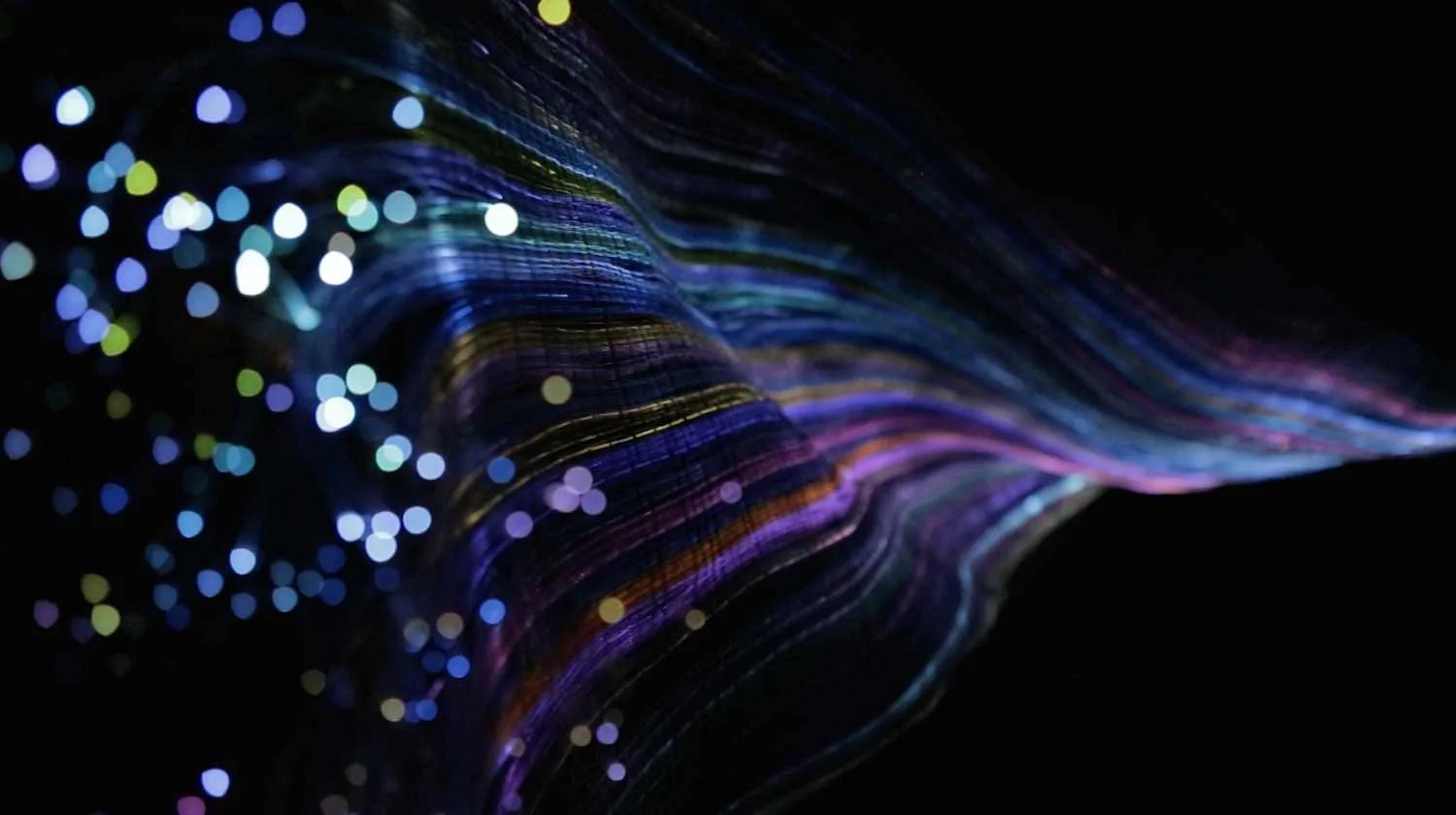
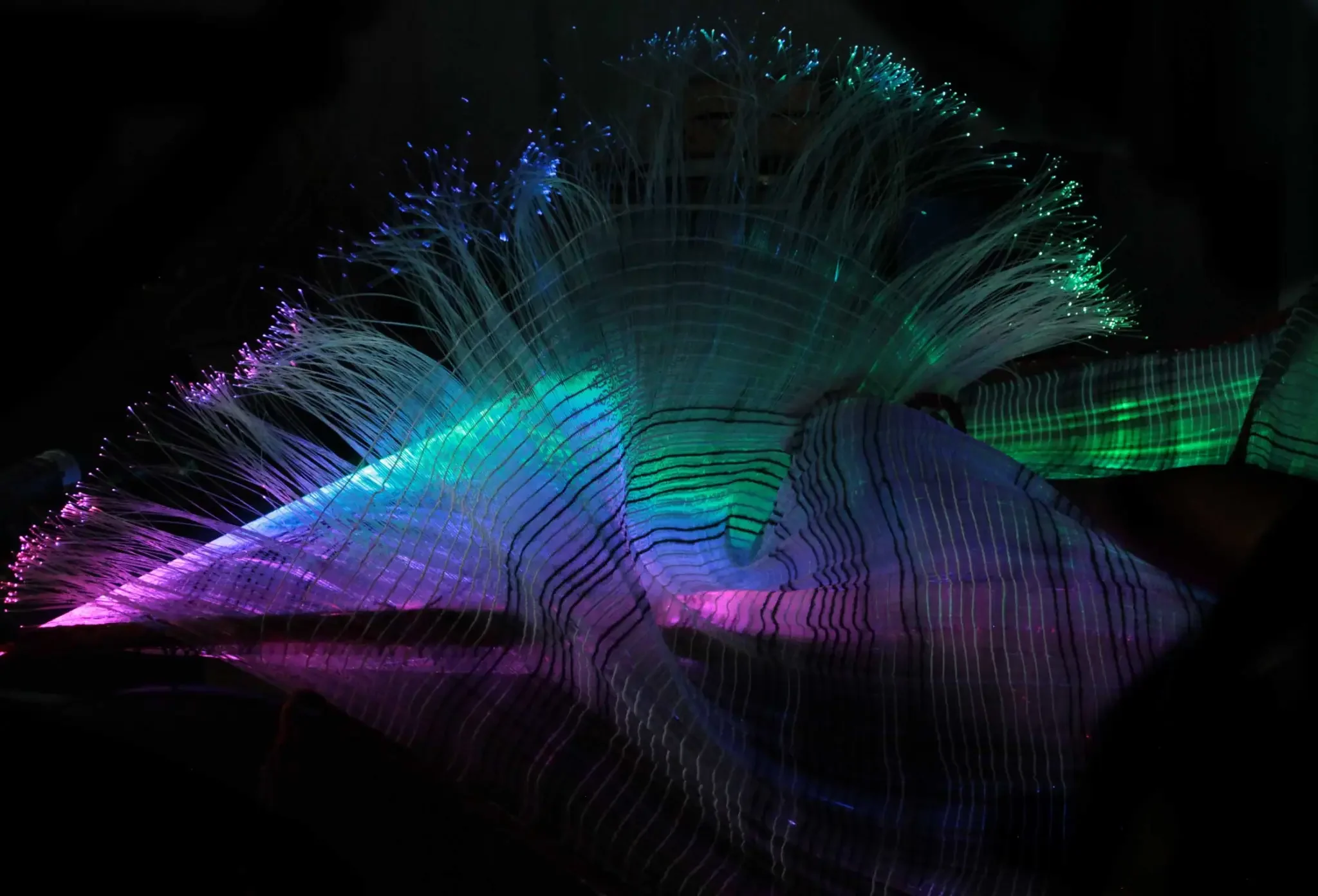
The result of these experiments were two small “prototype” works, the first I called “quartz composer” where I “connected” quartz found in the national parks of Colorado with a MIDI and when people touched the quartz they could hear the sound that was emitted when they touched the quartz, a very playful work that invited us to think about how energy circulates through materials and through our bodies. The second prototype work was the aging of crystals on fiber optics, based on the salts that are used for mordants in the dyeing processes with natural dyes, I bred a variety of crystals that are still growing!
Full of thanks to the people and institutions that supported this learning. Scintilla Foundation: Rebeca DiDomenico, Stephen Perry, Martha Russo, Helen Joffe, Stephen Joffe. Boulder Museum Of Contemporary Art to his amazing team especially David M Dadone, Kiah Butcher, Gwyneth Burak, Sage Ziemba. To the Ministry of Culture, Arts and Heritage of Chile, for the Fondart Nacional / International Circulation 2022 / Attendance at international artistic residency. To karla kracht with whom we took a road trip visiting Colorado National Parks and Museums, creating works and imagining a sunny future.”